Cross Country Car Transport: What You Actually Need to Know Before Shipping a Vehicle
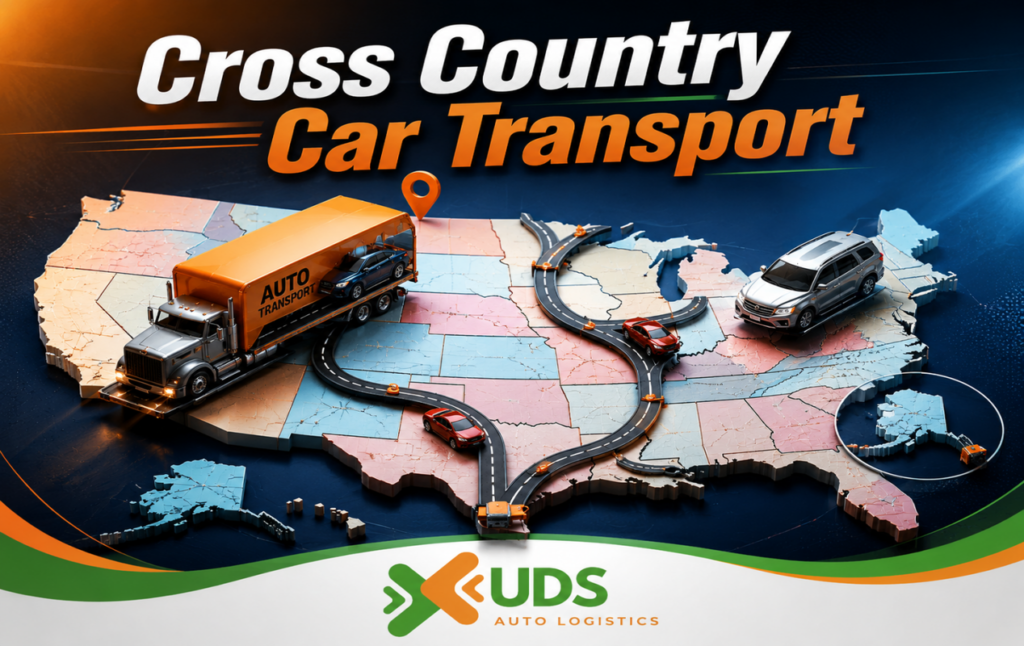
Moving a car across the country sounds simple until you actually try to plan it. Then reality hits. Fuel costs. Wear and tear. Days of your life spent driving through nowhere towns. That’s exactly why so many people turn to cross country car transport instead of just getting behind the wheel themselves.
Let’s break down how this actually works, what it costs, and what to watch out for.
What Is Cross Country Car Transport?
Simply put, it’s a service where a company picks up your vehicle and drives — or hauls — it to a destination far away, usually across multiple states. You’re not the one driving. Someone else handles that part entirely.
Common reasons people use this service:
- Relocating for a new job
- Buying a car from a seller in another state
- Selling a vehicle to a buyer far away
- Military relocations (PCS moves are notoriously common for this)
- Snowbirds moving vehicles seasonally between homes
- College students moving cars to or from school
It’s not just for individuals, either. Businesses and dealerships use these services constantly, which we’ll get to shortly.
How Interstate Car Transport Actually Works
Interstate car transport typically follows a pretty standard process, even though the companies offering it can vary a lot in quality.
- Get a quote— based on distance, vehicle type, and transport method
- Book a pickup window— usually a range of days, not an exact time
- Vehicle inspection— both parties document the car’s condition before pickup
- Transport— your car travels via open or enclosed carrier
- Delivery— another inspection happens, comparing condition to the pickup report
- Sign-off and payment— final payment usually happens at delivery, not booking
Open carriers are the most common and the cheapest option. Enclosed carriers cost more but protect the vehicle from weather and road debris — often used for classic cars, luxury vehicles, or anything with serious value attached.
Nationwide Car Transport: Is It Actually Reliable?
Here’s the honest answer: it depends entirely on the company you choose. Nationwide car transport as an industry is legitimate and widely used, but quality varies a lot between providers.
Things that separate reliable companies from sketchy ones:
- Proper licensing— check for FMCSA registration and a valid MC number
- Insurance coverage— ask exactly what’s covered and get it in writing
- Transparent pricing— no vague “final cost may change” language
- Real reviews— not just testimonials on their own website
- Clear communication— tracking updates, responsive support, realistic timelines
A cheap quote that seems too good to be true usually is. Lowball pricing sometimes leads to delays, add-on fees, or worse — a broker who never actually secures a driver for your vehicle.
Broker vs. Carrier: Know the Difference
This trips a lot of people up. Some companies actually own trucks and drive the vehicles themselves. Others are brokers — they connect you with a carrier but don’t own the trucks at all.
Neither is automatically bad. Brokers often have wider networks and can find better pricing. But you should always know which one you’re dealing with, and confirm who’s actually liable if something goes wrong during transport.
What Affects the Cost of Car Transport?
Pricing isn’t random, even though it might feel that way when comparing quotes. Key factors include:
- Distance— longer routes cost more, but often less per mile than short ones
- Vehicle size and weight— bigger vehicles take up more carrier space
- Transport type— open is cheaper, enclosed costs significantly more
- Season— snowbird season (fall/spring) tends to spike demand and prices
- Route popularity— busy routes (like coast to coast) are often cheaper than remote ones
- Pickup flexibility— flexible dates can lower cost; rigid timelines can raise it
Dealership Car Shipping Services: A Different Ballgame
Individual car owners aren’t the only ones using this industry. Dealership car shipping services exist specifically for the auto sales world, and they work a bit differently.
Dealerships use car shipping for things like:
- Moving inventory between locations
- Delivering purchased vehicles directly to customers, sometimes across state lines
- Transporting trade-ins back to auction houses
- Bulk shipments of multiple vehicles at once
Because dealerships ship in volume, they often get better rates and dedicated account reps. Many shipping companies offer specific business accounts for dealerships, separate from their regular consumer pricing.
If you’re buying a car online from an out-of-state dealership, there’s a good chance dealership car shipping services are already built into the deal — sometimes free, sometimes at an added cost depending on the dealer.
Tips Before You Book Any Transport Service
- Always get at least 3 quotes before committing
- Read the contract fully — especially cancellation and insurance clauses
- Take photos of your vehicle before pickup (all angles, inside and out)
- Confirm pickup and delivery windows in writing
- Ask about door-to-door vs. terminal-to-terminal delivery — the difference matters
- Never pay the full amount upfront; most legitimate companies only require a small deposit
Final Thoughts
Shipping a car across the country doesn’t have to be stressful, but it does require a little homework. Whether you’re relocating personally, buying from another state, or handling dealership car shipping services for inventory, the process is largely the same — research, compare, verify, and don’t rush into the cheapest quote without checking the fine print.
Q: How long does cross country car transport usually take?
Typically 1 to 2 weeks for coast-to-coast shipments, though it depends on distance, route, and weather conditions.
Q: Is my car insured during interstate car transport?
Reputable carriers carry insurance, but coverage amounts vary. Always ask for proof of insurance and confirm what’s covered before booking.
Q: What’s the difference between open and enclosed car transport?
Open transport is cheaper and more common, exposing the vehicle to weather and road elements. Enclosed transport costs more but fully protects the vehicle, often used for luxury or classic cars.
Q: Do I need to be present for pickup and delivery?
Not always. You can authorize someone else to be there, as long as they can sign off on the vehicle’s condition at both ends.
Q: How much does nationwide car transport typically cost?
Prices vary based on distance, vehicle size, and transport type, but a rough range is a few hundred dollars for short distances up to over a thousand for cross-country shipments.
Q: Can dealerships ship cars directly to customers in other states?
Yes, many dealerships offer or arrange shipping directly to buyers, especially for online vehicle purchases, though costs and availability vary by dealer.