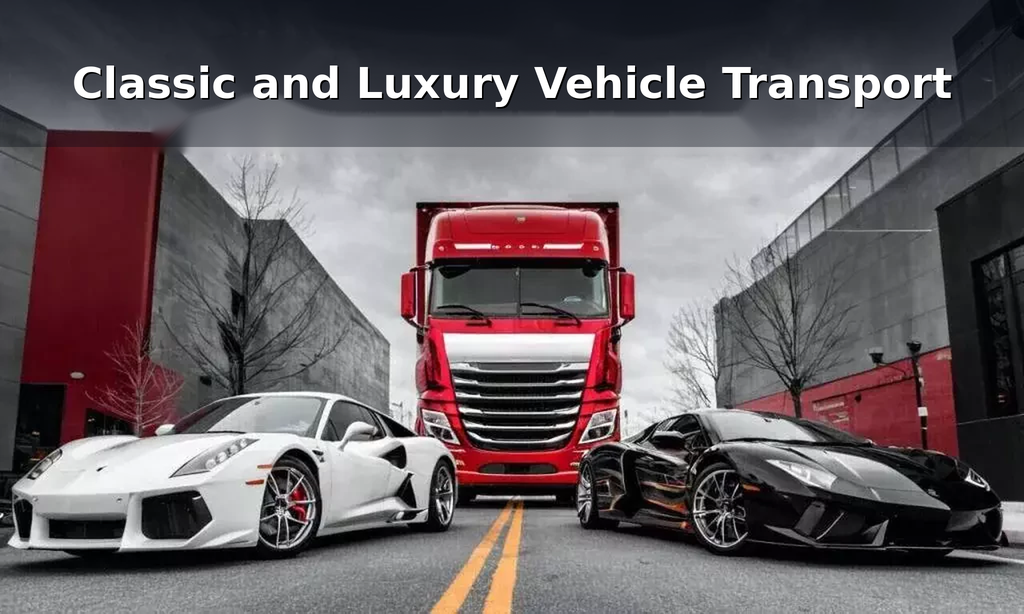
Classic and Luxury Vehicle Transport: What You Need to Know
trailer, shielded from theA daily driver? Sure, open transport works fine. But a numbers-matching ’67 Mustang? A Ferrari that just came off the showroom floor? A pristine Bentley you’ve spent a decade restoring? Those need something different. They need care, not just transportation.
Classic car transport and luxury car transport exist for exactly this reason. They’re specialized services built around one core idea: high-value vehicles deserve more protection than a standard shipment. Let’s break down everything you need to know before booking one.
What Makes Classic and Luxury Vehicle Transport Different
Regular auto shipping moves cars from Point A to Point B. That’s it. Function over form.
Luxury vehicle transport and classic car shipping add layers on top of that basic function — extra insurance coverage, more careful loading procedures, drivers with specific experience handling delicate or high-value vehicles, and often, enclosed trailers as the default rather than an upgrade.
Think of it this way: shipping a used sedan is like mailing a paperback. Shipping a restored classic is like mailing a rare first-edition book. Same basic service, completely different level of care required.
Who Actually Needs This Kind of Transport?
A few categories of vehicles almost always call for premium handling:
- Antique car shippingfor vehicles decades old, often with irreplaceable original parts
- Exotic car transportfor supercars and rare imports with low production numbers
- Collector car transportfor vehicles bought specifically for their long-term value
- Show cars, restoration projects, and vehicles with significant sentimental value
- Brand-new luxury vehicles being relocated after purchase, especially from out-of-state dealers
If your car falls into any of these buckets, standard open transport probably isn’t the right call. The risk-to-savings ratio just doesn’t make sense.
Open Transport vs. Enclosed Transport
This is the single biggest decision you’ll make, and it’s worth understanding both sides clearly.
Open Transport
Cars ride on an uncovered trailer, exposed to weather, road debris, and dust. It’s the standard method across the industry — affordable, widely available, and completely fine for everyday vehicles.
But for a classic or exotic car? Exposure is the problem. Rock chips, weather damage, and road grime aren’t things you want touching a car worth six figures, or one with irreplaceable original paint.
Enclosed Transport
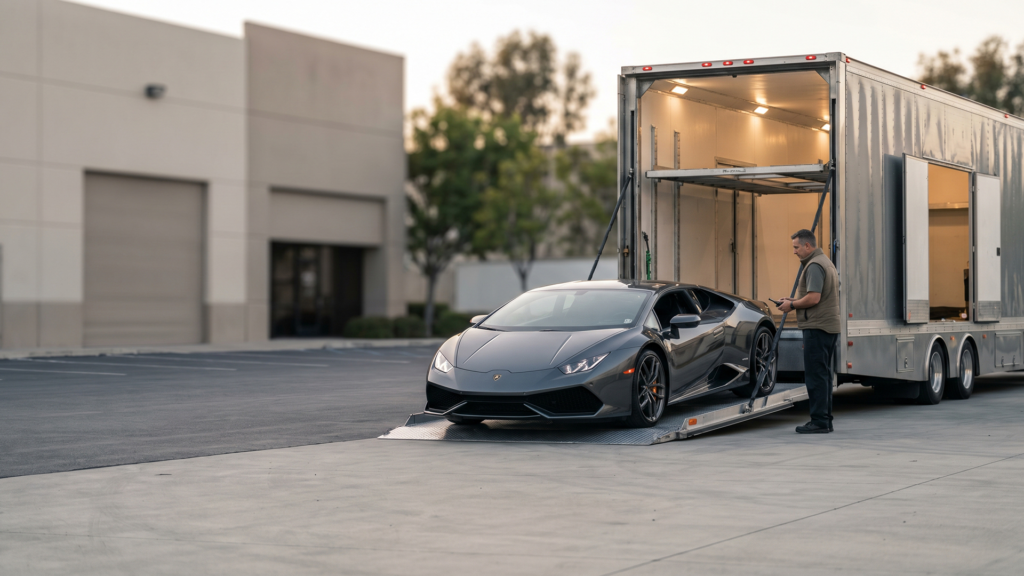
Enclosed luxury car transport and enclosed classic car transport put your vehicle inside a fully covered elements entirely. Some enclosed carriers even offer soft tie-down systems (rather than wheel straps) to avoid any contact with suspension components, and climate-controlled interiors for particularly sensitive vehicles.
Yes, it costs more. Sometimes significantly more. But for a car where a single rock chip could cost thousands to repair, that extra cost is basically insurance, not luxury.
What to Look for in a Premium Vehicle Transport Company
Not every shipping company is equipped to handle high-value vehicles properly. Here’s what actually separates the serious providers from the rest.
1. Specialized Insurance Coverage
Standard cargo insurance often caps out at amounts that wouldn’t come close to covering a classic or exotic car. Premium vehicle transport providers typically offer higher coverage limits, sometimes allowing you to purchase supplemental coverage for extremely high-value vehicles.
Always ask directly: what’s the maximum payout per vehicle, and does that match or exceed your car’s actual value?
2. Experienced Drivers
Loading a low-clearance sports car onto a trailer isn’t the same as loading a pickup truck. Ramps, angles, and ground clearance all matter enormously. Ask whether drivers have specific experience with low-profile or high-value vehicles before booking.
3. Soft Straps and Proper Tie-Downs
Standard wheel straps can be too aggressive for classic suspension systems or delicate undercarriages. Ask what tie-down method the carrier actually uses.
4. Climate Considerations
For vehicles sensitive to temperature swings, ask whether climate-controlled enclosed trailers are available, particularly for long cross-country routes through extreme weather.
5. Verified Track Record
Look for carriers with real experience specifically in classic and luxury shipments, not just general auto transport. Reviews, testimonials, and years in business all matter here.
How Pricing Works for Premium Transport
Cost depends on several factors, and it’s genuinely different math than standard car shipping.
- Distance— Price per mile typically decreases on longer hauls, though the starting rate is higher than open transport.
- Vehicle value and rarity— Higher-value cars sometimes require additional insurance riders, which adds to the total.
- Transport type— Enclosed transport costs noticeably more than open, often by a significant margin.
- Route accessibility— Rural pickup or delivery points sometimes add fees due to limited carrier availability in the area.
- Timing flexibility— Rigid dates typically cost more than a flexible pickup window.
It’s worth getting quotes from a few specialized providers rather than general auto transport companies. Pricing structures, insurance terms, and available equipment can vary quite a bit between them.
Preparing Your Classic or Luxury Vehicle for Shipping
A little extra prep goes a long way, especially for vehicles with sentimental or serious financial value.
- Take detailed, timestamped photos from every angle before pickup, including close-ups of any existing wear
- Document the odometer reading
- Remove any loose or aftermarket parts that could shift during transit
- Disconnect the battery if the vehicle will sit for an extended period before or after transport
- Keep the fuel tank around a quarter full, both for weight reasons and safety
- Confirm whether the carrier requires the vehicle to be in running condition, and disclose accurately if it isn’t
For antique or non-running vehicles, be upfront early. Not every carrier has the right equipment for non-running loads, and finding this out at pickup wastes everyone’s time.
Questions to Ask Before Booking
A short checklist worth running through with any provider before you commit:
- What’s the maximum insurance coverage per vehicle, and does it match my car’s value?
- Do your drivers have specific experience with classic or exotic vehicles?
- What tie-down method do you use?
- Is the trailer climate-controlled, if needed?
- What’s your estimated pickup and delivery window?
- Can you provide references or reviews specific to high-value vehicle shipments?
If a provider can’t answer these clearly and confidently, that’s worth noting. Premium service should come with premium transparency.
Common Mistakes Owners Make
A few things worth avoiding, based on patterns that come up again and again.
- Choosing the cheapest quote without checking insurance coverage limits
- Skipping the pre-pickup photo documentation
- Assuming open transport is “good enough” for a genuinely valuable vehicle
- Not disclosing modifications, low ground clearance, or non-running status upfront
- Booking last minute, which limits access to specialized enclosed carriers
None of these mistakes are dramatic on their own. But together, they’re how good cars end up with avoidable damage or frustrating delays.
Final Thoughts
Classic car transport and luxury car transport aren’t just marketing terms. They represent a genuinely different level of care — better insurance, better equipment, and drivers who understand exactly what they’re hauling.
If your vehicle has real value, whether financial, historical, or purely sentimental, it deserves that extra layer of protection. Do your research, ask direct questions, and choose a provider that treats your car the way you would.
Q: How much more does enclosed transport cost compared to open transport?
It varies by distance and provider, but enclosed transport generally costs more than open transport due to specialized equipment and lower trailer capacity. Most owners consider it worth the added cost for high-value vehicles.
Q: Can I ship a non-running classic car?
Yes, but you need to disclose this upfront. Non-running vehicles require special loading equipment like a winch, and not every carrier is equipped to handle it.
Q: What kind of insurance coverage should I expect?
Coverage varies by provider. Ask directly about the maximum payout per vehicle and whether it’s sufficient for your car’s actual value. Some providers offer supplemental coverage for particularly high-value vehicles.
Q: How far in advance should I book premium vehicle transport?
A few weeks ahead is ideal, especially for enclosed transport, since specialized trailers and experienced drivers are in more limited supply than standard open carriers.
Q: Do collector and exotic car transport services handle international shipping too?
Some do, though it typically involves additional paperwork, customs processes, and often ocean or air freight for overseas destinations. Confirm this capability directly with the provider if it applies to you.
Q: Is enclosed transport really necessary for a classic car?
In most cases, yes. Open transport exposes vehicles to weather and road debris, which can be costly for a car with original paint or irreplaceable parts. Enclosed transport significantly reduces that risk.